-
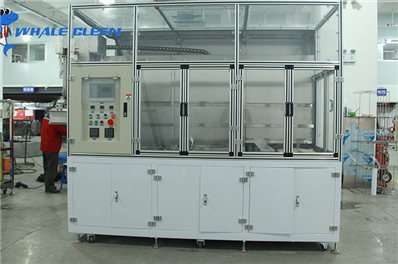 Professional Solutions for Ultrasonic Cleaning of Electronic Component Soldering
Ultrasonic cleaning equipment is a critical tool in the electronics manufacturing industry, particularly for cleaning electronic components and solder joints. This technology offers a highly efficient and effective solution for removing contaminants from
-
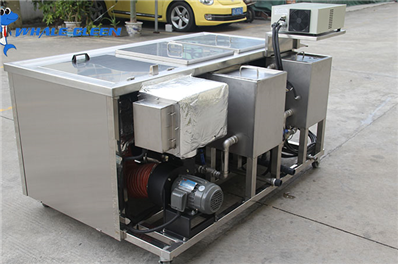 Elevating Soldered Joint Reliability: Ultrasonic Cleaning in Electronic Component Soldering
In the realm of electronic manufacturing, ensuring the integrity and reliability of solder joints is of paramount importance. This necessitates meticulous cleaning processes, particularly in the context of electronic component soldering. One of the most e
-
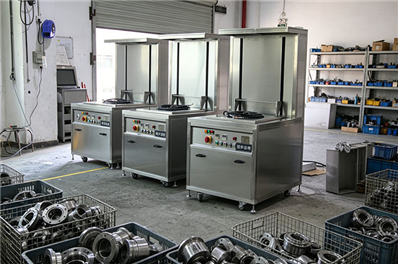 From Dirty to Spotless: How Long Does Ultrasonic Automatic Cleaning Take for a Multilayer PCB?
Walk onto the floor of any PCB assembly shop, and you will see it: boards fresh off the soldering line, covered in flux residues, ionic contaminants, and microscopic debris. The clock is ticking. Production schedules depend on getting these boards clean—f
-
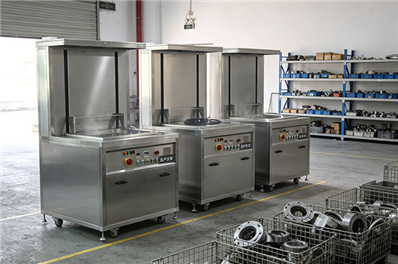 PCB Water Spots and White Residue After Cleaning? This Automated Ultrasonic Cleaner Saved Our Yield
For electronics manufacturers, few things are more frustrating than watching a batch of perfectly assembled PCBs emerge from the cleaning line covered in unsightly water spots and chalky white residues. The boards looked flawless before cleaning. Now they
-
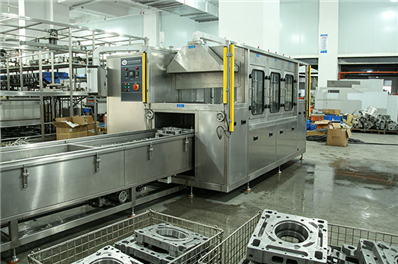 FPC Flexible Board Easily Damaged by Manual Cleaning? Finally, a Solution for High-Volume Degreasing
In electronics manufacturing, few components are as delicate—and as critical—as Flexible Printed Circuits (FPCs). Thin as paper, with trace widths often below 0.03mm, FPCs are the backbone of smartphones, wearables, tablets, and countless other compact de
-
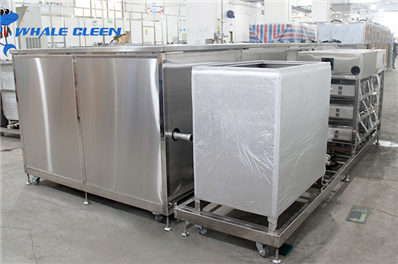 The Same Circuit Board, Different Results: Why Leading Electronics Manufacturers Are Switching to Industrial Ultrasonic Automatic Cleaning Machines
Look at the two PCBs. The first was cleaned with a manual brush and solvent dip. The second came from a fully automated ultrasonic cleaning line. To the naked eye, they look identical—solder joints shining, surfaces spotless, ready for assembly. But un
-
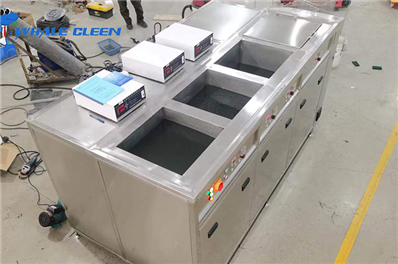 Ultrasonic Cleaning Machines: What Can They Clean and How Do They Work?
Ultrasonic cleaning is a technology widely used across multiple industries to clean delicate, complex, or large objects effectively and without damaging them. The process employs high-frequency sound waves, typically ranging from 20 kHz to several MHz, to
-
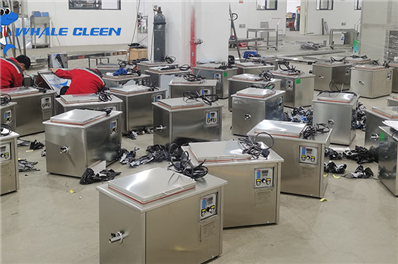 Ultrasonic Cleaning Machine: The Optimal Solution for Electronic Industry Cleaning
I. Introduction The electronics industry is synonymous with precision, reliability, and high-quality standards. Maintaining these standards often requires effective and thorough cleaning methods for electronic components, including printed circuit boar
-
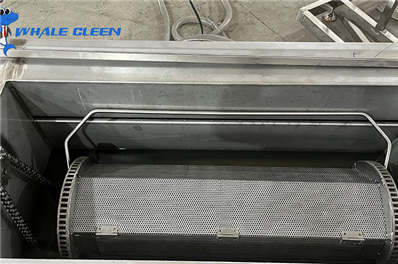 Meeting High Standards of Cleanliness for Electronic Products with Ultrasonic Cleaning Machines
Introduction In the electronics industry, the cleanliness of components and assemblies is paramount. Contaminants such as dust, oils, fingerprints, and residues can significantly affect the performance, reliability, and lifespan of electronic devices.
-
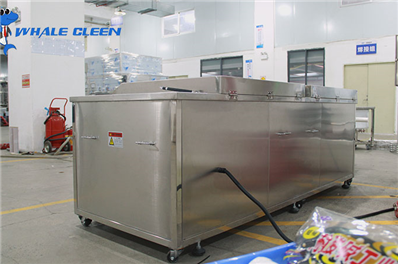 Revolutionizing Electronic Component Cleaning with Ultrasonic Cleaners
Introduction In the realm of electronics, the importance of cleanliness cannot be overstated. Contaminants such as dust, grease, and soldering residues can severely impact the performance and longevity of electronic components. Traditional cleaning met
-
 Future Prospects of Ultrasonic Cleaning Equipment in the Electronics Industry
The rapid advancement of technology in the electronics industry has led to the creation of increasingly complex and delicate electronic components. These advancements demand equally sophisticated cleaning solutions to ensure the reliability and performanc
-
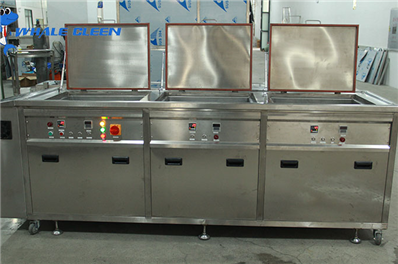 Ultrasonic Cleaning Equipment: The Ideal Tool for Cleaning Electronic Components
The rapid advancement of technology has led to increasingly sophisticated electronic components, which are integral to various industries including telecommunications, automotive, aerospace, and consumer electronics. Maintaining the integrity and function